

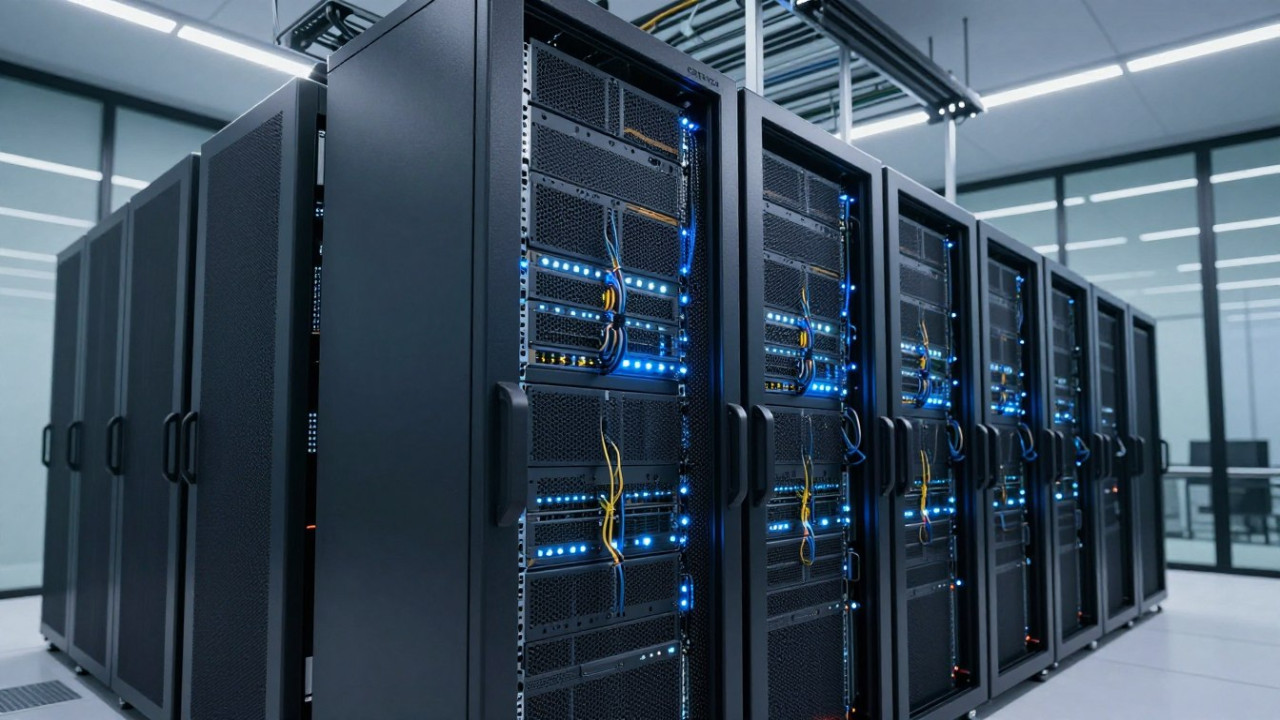
Why Enterprise-Grade Servers are Essential for Seamless File Sharing
✅ Scanned for Viruses (Clean) | ⚡ High Speed Server
Verified Download: Join 100+ active earners!
Did you know that the average company shares over 1,000 files daily? This massive flow of information is the lifeblood of modern business. Handling this volume requires a powerful foundation.

Gone are the days of simple document exchanges. Today's digital environment demands sophisticated solutions. Inadequate systems create security risks and slow down teamwork.
Powerful enterprise servers provide the backbone for reliable file sharing. They handle sensitive data securely and support growth. This infrastructure is no longer a luxury but a core necessity.
Choosing the right server solution directly impacts your organization's productivity and security. It's a critical decision for any business competing in a data-driven world. This guide will help you understand the key factors for your file sharing needs.
Key Takeaways
- Modern businesses handle an enormous volume of digital files every day.
- Basic file sharing methods are often insecure and cannot scale effectively.
- Robust server infrastructure is fundamental for secure and efficient data exchange.
- The right server solution directly improves team collaboration and productivity.
- Investing in proper infrastructure is crucial for meeting regulatory requirements.
- This guide will help you make an informed decision about your company's needs.
The Evolution of File Sharing and the Need for Enterprise-Grade Servers
Remember when sharing files meant physically passing folders across the office? That era seems ancient compared to today's instant digital transfers. The journey from paper documents to cloud-based solutions has completely transformed how businesses operate.
From Physical Files to Cloud-Based Solutions
Traditional methods like USB drives and email attachments once dominated file sharing. These approaches worked for small-scale operations but couldn't handle modern business demands. Remote teams need simultaneous access to the same information from different locations.
Cloud infrastructure changed everything. It removed physical limitations that plagued older systems. Companies now enjoy virtually unlimited storage capacity and seamless scalability.
| Traditional Methods | Cloud Solutions | Key Differences |
|---|---|---|
| Physical storage devices | Virtual cloud storage | No physical limitations |
| Local access only | Global network access | Remote team support |
| Limited capacity | Scalable resources | Growth accommodation |
The shift from physical to digital file sharing represents one of the most significant transformations in business technology.
Shifting Demands in Modern Data Access
Today's workforce expects real-time collaboration and mobile accessibility. Large file transfers happen instantly without email size restrictions. This evolution created fundamental business needs that didn't exist before.
Modern server solutions incorporate cloud technology while maintaining essential security controls. They represent necessary infrastructure rather than optional upgrades for competitive businesses.
Benefits of Enterprise-Grade Servers for File Sharing
Modern organizations require robust infrastructure that enables secure data exchange while supporting collaborative workflows. These systems deliver tangible advantages that transform how teams work together.
https://www.youtube.com/watch?v=ZiQLSgBBVJU
Enhanced Security and Encryption Measures
Professional solutions provide multiple layers of protection for sensitive information. Unlike consumer-grade tools, they implement advanced encryption during both transfer and storage.
Administrators maintain complete control over who can view, edit, or share specific files. This prevents unauthorized access while ensuring compliance with industry regulations.
Streamlined Access and Improved Collaboration
Employees enjoy seamless file sharing regardless of their location. Teams can work simultaneously on documents without version conflicts or duplicate files.
This unified approach eliminates fragmented data across departments. It creates a cohesive workflow that boosts productivity and communication.
These platforms balance accessibility with security, allowing organizations to protect valuable assets while enabling efficient collaboration.
Key Features of Enterprise File Sharing Solutions
What separates professional file sharing platforms from consumer applications? The answer lies in sophisticated security features that give administrators precise control over organizational documents.
These solutions begin with robust user authentication. They verify identity before granting access to sensitive files. This creates a secure foundation for your file sharing activities.
User Authentication and Granular Access Controls
Granular access controls allow administrators to set precise permissions. They can determine exactly which users can view, edit, or download specific documents. This ensures sensitive information reaches only authorized personnel.
Role-based access control (RBAC) automatically assigns permissions based on job functions. Department members or project teams receive appropriate access levels automatically. This simplifies administration while maintaining security.
| Access Level | Folder Permissions | User Groups |
|---|---|---|
| View Only | Read access | Stakeholders |
| Edit Rights | Read/Write access | Project Teams |
| Full Control | Administrative access | System Admins |
Effective security isn't about locking everything down—it's about giving the right people the right access at the right time.
The system tracks all user activities, creating comprehensive audit trails. Administrators can see who accessed which files and what actions they performed. This transparency supports compliance and security monitoring.
Advanced authentication features include multi-factor authentication and single sign-on integration. These strengthen security without creating unnecessary friction for users. Customizable permission structures let organizations implement specific security policies.
Why Enterprise-Grade Servers are Essential for Seamless File Sharing
Imagine needing to find a critical document across dozens of employee computers and email inboxes. This chaotic search wastes valuable time and creates security risks. A professional server solution solves this by creating a single, organized home for all your company's files.

Scalability and Centralized Data Management
Centralized data management means everyone works from the same source of truth. Employees can quickly access files without confusion. This organized approach also strengthens security by controlling who sees sensitive information.
Your storage needs will grow as your company does. A scalable infrastructure accommodates new users and larger files effortlessly. This prevents slowdowns during company expansion or mass onboarding.
Reliable Backup and Disaster Recovery Options
What happens if a computer fails or a cyberattack occurs? Professional servers provide automated backup systems. They create multiple copies of your vital data without manual effort.
These systems include versioning, allowing you to restore files from a specific point in time. Even during a network disruption, redundant systems keep your data accessible. This ensures business continuity and protects your most important assets.
This reliable backup and recovery capability is a cornerstone of modern business management. It provides peace of mind and operational resilience.
Cost Efficiency and Operational Resilience
When companies evaluate their technology investments, cost efficiency often becomes the deciding factor. The right infrastructure delivers substantial financial benefits beyond basic functionality.
Centralized data management eliminates redundant storage across individual devices. This approach reduces the need for expensive upgrades on every employee computer.
Lower Storage and Maintenance Costs
Professional solutions transform how businesses handle their storage needs. Instead of scattered files across multiple systems, everything resides in one organized location.
This centralized approach significantly cuts maintenance expenses. IT teams can manage updates and security from a single point rather than hundreds of individual endpoints.
Cloud-based server solutions offer flexible operational expenses instead of large capital investments. Companies pay for what they actually use, scaling costs with their business growth.
Reliable systems prevent costly downtime caused by access issues or data disasters. This operational resilience ensures business continuity during unexpected disruptions.
The initial investment in proper infrastructure pays dividends through efficiency gains and risk mitigation. It represents strategic financial planning rather than mere technology expense.
Integrating Enterprise File Sharing with Business Applications
Integration capabilities transform basic file sharing from a standalone function into a central hub that connects all your business operations. When your document management system works harmoniously with other software, you eliminate data silos and redundant entry across different platforms.

Seamless Cloud Integration and Software Compatibility
Modern solutions like the ContinuSys IBMS platform connect effortlessly with popular business applications. This includes CRM systems, project management tools, and accounting software. The platform's unified family of apps shares a core database, operating as one interconnected system.
This creates automated workflows where files move seamlessly between applications. Documents automatically attach to customer records or project files without manual intervention. The cloud-based architecture supports both on-premises and cloud-based services.
Enhancing Workflow Across Dispersed Teams
Integrated file sharing significantly improves collaboration across distributed teams. Remote workers, field personnel, and multi-location operations gain consistent access to files. Modern platforms are completely mobile-capable through dedicated apps.
Staff can sync files to their desktops and reference them offline. This maintains collaboration regardless of location or connectivity status. Department teams from HR to field technicians benefit from real-time data sharing.
This interconnected approach creates efficiency gains throughout the organization. It transforms how different departments share information and work together effectively.
Advanced Security Measures and Compliance in File Sharing
Security breaches now cost companies millions, making robust file protection a business necessity rather than an IT concern. IBM's 2022 report revealed the average data breach costs $4.35 million, while insider threats average a staggering $15.8 million in damages.
These alarming numbers highlight why advanced security measures are critical for any organization handling sensitive information. Proper protection goes beyond basic password security to comprehensive data protection strategies.
Multi-Layered Encryption Protocols
Enterprise solutions employ multiple encryption layers to safeguard your information. Files receive protection both at rest in storage and during transfer across networks.
Secure File Transfer Protocol (SFTP) and encrypted Secure Copy (SCP) replace vulnerable FTP methods. This prevents interception during file sharing activities between employees and external partners.
Comprehensive Audit Trails and Regulatory Compliance
Detailed audit trails track every user interaction with sensitive documents. Systems record who accessed which files, when activities occurred, and what changes were made.
This documentation supports compliance with regulations including GDPR, HIPAA, and CCPA. For healthcare organizations, HIPAA violations can bring fines up to $1.9 million.
| Security Feature | Basic Methods | Enterprise Solutions |
|---|---|---|
| File Transfer | Unencrypted email | SFTP/SCP encryption |
| Access Tracking | Limited logs | Comprehensive audit trails |
| Compliance Support | Manual processes | Automated regulation alignment |
Preventing Data Loss and Cyber Threats
Advanced controls minimize data loss risks through multiple mechanisms. Version control preserves document history, while access controls limit sharing permissions.
Data Loss Prevention (DLP) features block unauthorized transfers of sensitive information. This protects against both external cyber threats and internal risks.
Considering that 75% of breaches take over 200 days to identify, proactive data protection becomes essential for organizational security and continuity.
Conclusion
With remote work becoming the new standard for 1.88 billion employees, secure document exchange has transformed from an IT concern to a business-critical function. Organizations cannot afford insecure methods that expose sensitive data to threats. The right solution protects your company's most valuable information.
Professional systems deliver advanced security, scalable management, and seamless collaboration across distributed teams. These features prevent costly breaches while improving productivity. Your business gains operational resilience and cost efficiency.
Evaluate your current file sharing setup against these enterprise standards. Identify gaps that put your organization at risk. Choose a solution that meets your specific needs for growth, compliance, and user adoption.
Invest in infrastructure that secures your data while enabling smooth file transfer across all operations. This strategic decision ensures your company thrives in today's digital landscape.
FAQ
What makes an enterprise-grade server different from a regular server for file sharing?
Enterprise-grade servers are built for high performance, reliability, and security. They offer powerful hardware, advanced data protection like encryption, and robust management tools. This setup supports many users at once without slowing down. It also prevents data loss and ensures business continuity, which standard servers often can't handle.
How does an enterprise file sharing solution improve team collaboration?
These solutions provide a central hub for documents and files. Teams can access, edit, and share information in real-time from any location. Features like version control ensure everyone works on the latest file. This streamlines workflows and boosts productivity for dispersed teams.
What security features should I look for in an enterprise file sharing system?
Key security features include multi-factor user authentication and granular access controls. These controls let you manage who can view, edit, or share specific files. Look for strong encryption for data both in transit and at rest. Comprehensive audit trails are also vital for tracking access and maintaining compliance.
Can enterprise-grade servers help with data backup and recovery?
Absolutely. These systems often include automated backup solutions and disaster recovery options. They protect your company's vital information from accidental deletion, hardware failure, or cyber threats. This minimizes downtime and ensures quick data restoration, safeguarding your business operations.
Is it cost-effective for a small business to invest in an enterprise-grade server?
While the initial investment might be higher, the long-term benefits often lead to cost efficiency. You gain better control over storage costs, reduced risk of expensive data loss, and lower maintenance needs. For businesses planning to grow, the scalability of these servers makes them a smart, resilient choice.
How does cloud integration work with an on-premises enterprise server?
Many modern solutions offer hybrid models. They seamlessly connect your on-premises server infrastructure with cloud services like Microsoft Azure or AWS. This allows for flexible storage, easy access for remote employees, and integration with other business software, creating a unified and efficient network.



Comments (0)
No comments found